What is kaitiakitanga — and why it matters on a New Zealand journey
The Māori concept of kaitiakitanga — guardianship of the land — shapes how New Zealanders relate to their environment. Understanding it makes a journey here richer.
Conservation·Māori Culture·5 min read·
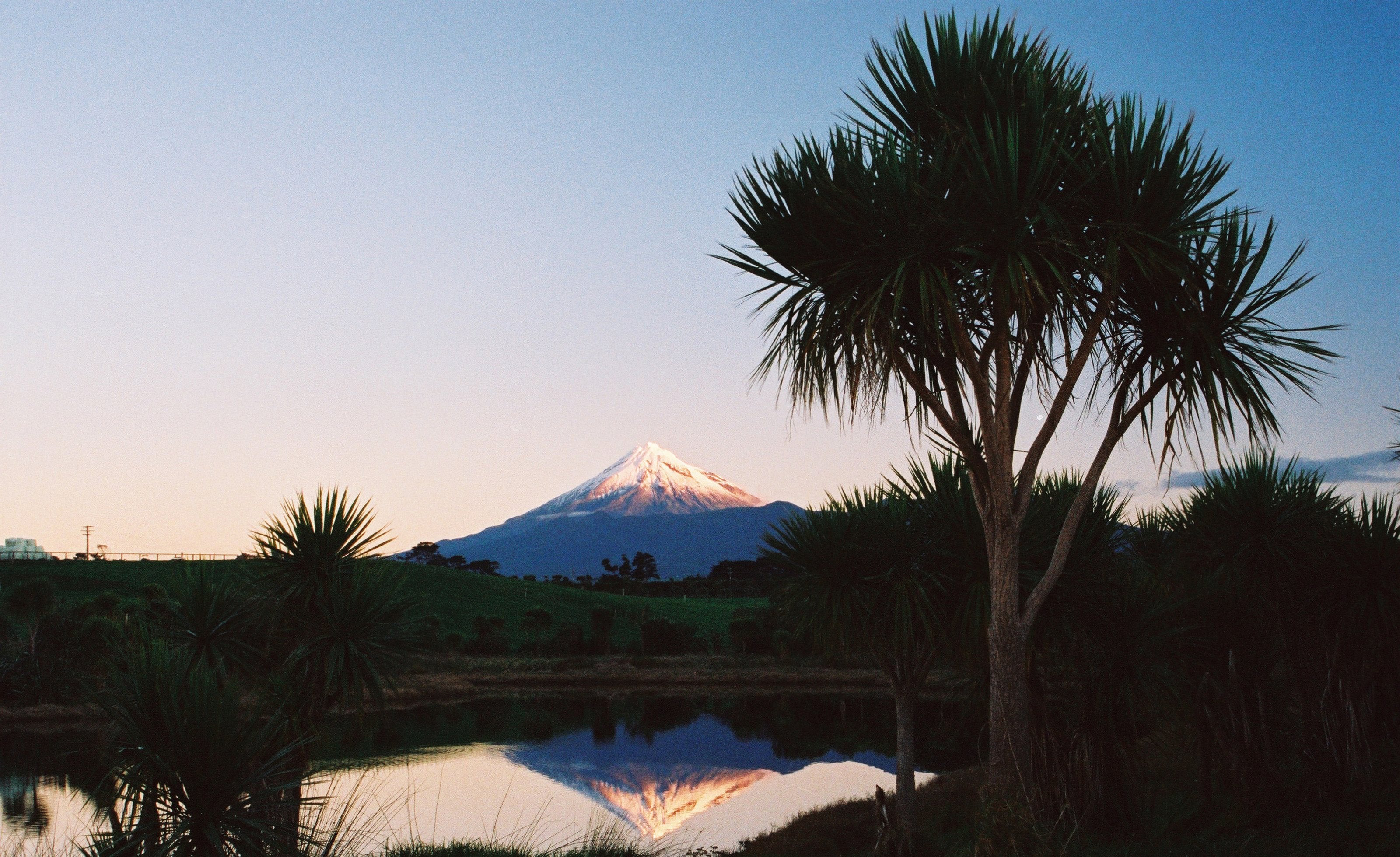
There's a word you'll encounter in New Zealand if you spend time with people who take the place seriously. It comes up in conversations about the land, about conservation, about the way decisions get made — particularly in the south, where the wilderness is so vast it has its own kind of authority.
The word is kaitiakitanga. It's a Māori concept, and it translates roughly as guardianship — but the translation understates it. Kaitiaki means guardian or trustee. Kaitiakitanga is the broader principle: the obligation to care for the natural world not because you own it, but because you hold it in trust for those who come after.
Why it's not just a concept
In the Māori worldview, the relationship between people and the natural world is not hierarchical. Humans are not above nature, managing it. They're part of it, and they carry responsibility for its wellbeing.
This has practical implications that you see throughout New Zealand. The Whanganui River — a major river in the North Island — was granted legal personhood in 2017. It has rights as a legal entity, represented by guardians. The idea was grounded in the longstanding Māori understanding that the river, Whanganui, is an ancestor — not a resource to be managed, but a being to be cared for.
The Fiordland National Park, the conservation islands that protect endangered native species, the predator-free fencing programmes that are slowly returning native birds to mainland habitats — these efforts sit alongside kaitiakitanga in the cultural framework that shapes how New Zealanders think about the environment.
What you encounter in the field
On a well-designed journey through New Zealand, kaitiakitanga isn't an abstract concept. It appears in specific, tangible forms:
A private conservation experience — a kiwi release programme, a night walk through predator-free bush, a morning at a sancturary where the birdsong is so dense it sounds like a different country — is a form of kaitiakitanga in action. The rangers and volunteers who maintain these environments are kaitiaki.
A conversation with a high-country station owner about how they're changing their land management practices — reducing sheep, letting the tussock grasslands return, reintroducing native species — is another form of it. There's a generation of New Zealand farmers who've made significant economic sacrifices to become better guardians of the land they manage.
A pōwhiri at a marae, where the connection between the iwi and their specific landscape is woven through every speech and song, makes it felt rather than explained.
Why Curated Experiences holds this value
We describe kaitiakitanga as one of our core values — alongside manaakitanga, the Māori ethic of generous hospitality. This isn't decoration. It shapes what we include in journeys, which operators and lodges we work with, and how we think about the long-term effect of bringing visitors into these landscapes.
We only work with operators who share a genuine commitment to the environments they operate in. We include conservation experiences not as add-ons but as essential parts of understanding what New Zealand actually is.
For guests who are interested in going deeper, we can arrange experiences specifically focused on conservation and Māori environmental guardianship — with the people who are doing this work day-to-day. These require some advance planning and genuine interest, but they're among the most memorable things we help people find.
For the traveller
Understanding kaitiakitanga before you arrive changes how you hold New Zealand. The wilderness you're moving through isn't empty. It's managed, cared for, and in many cases being actively restored. The birdsong you hear in the beech forest exists because of decades of trapping and pest control by people who believe they're guardians of that forest.
That's worth knowing. And it's worth arriving in a state to receive it.
Written by
The people who compose the journeys. By PPG Tours, New Zealand owned for more than twenty years. How we write
Journeys this piece touches
Add Curated Experiences as a preferred source on Google (opens in a new tab)
Plan a New Zealand journey shaped by local knowledge
Travel with care and connection
Our curators connect you with people and places in ways that respect Aotearoa, support local communities and feel deeply personal.
New Zealand-based curators. Private journeys, composed around you. A personal reply within one business day.
More reading
Conservation