New Zealand seafood: from Kaikōura crayfish to Bluff oysters
The seafood here is not an afterthought to the wine — it is the reason some of the finest chefs in the world have quietly relocated to these islands.
Food & Wine·6 min read·
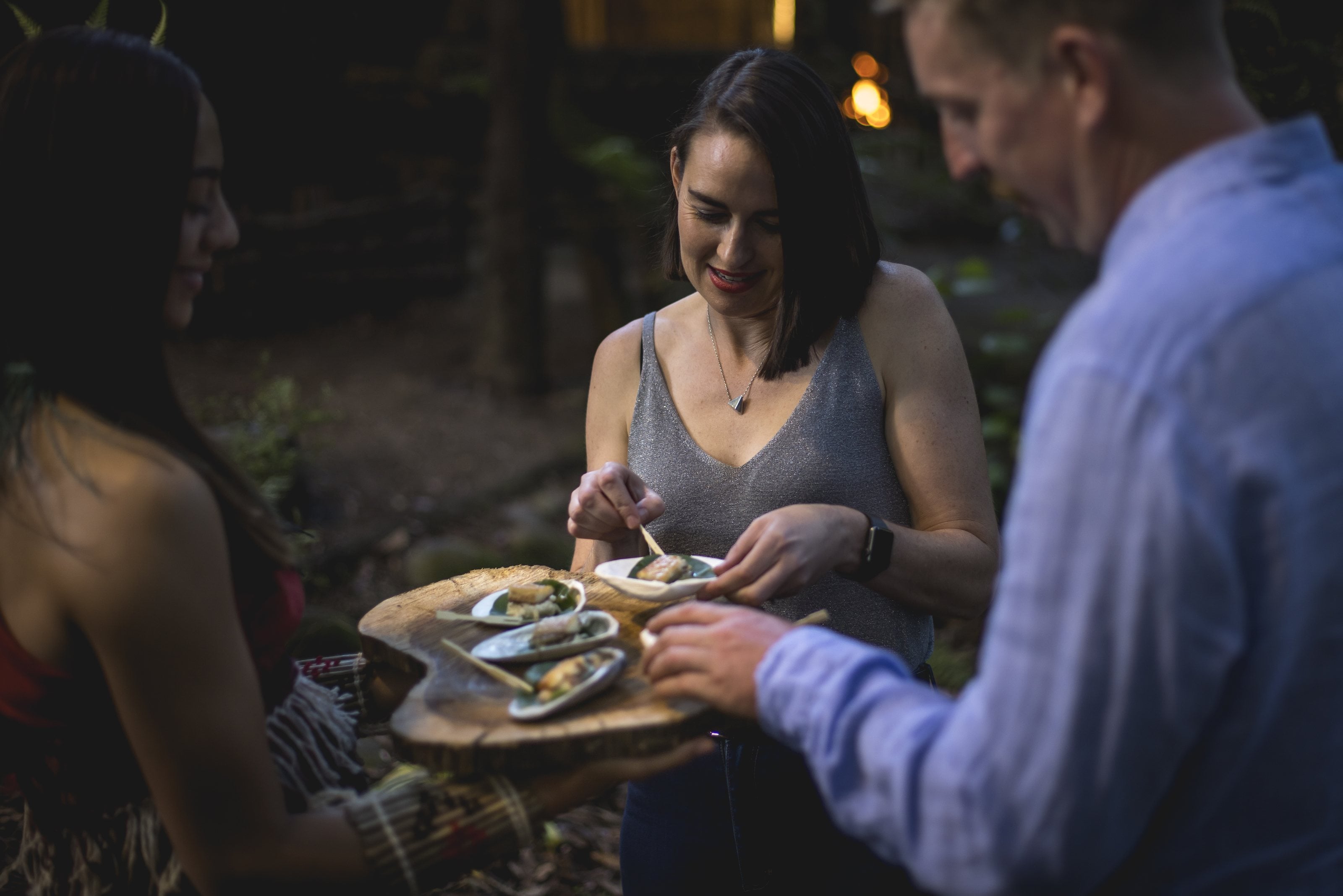
New Zealand is surrounded by the fourth-largest ocean territory on Earth. The fishing grounds are deep, cold, and extraordinarily productive. The coastline runs for more than 15,000 kilometres. And yet, for most international visitors, New Zealand seafood means one thing — green-lipped mussels, steamed open on a boat in the Marlborough Sounds.
That is not wrong. It is just the beginning.
The real story of New Zealand seafood is a story of extraordinary regional specificity. Each stretch of coast produces something different, something tied to the cold currents and clean water that make these fisheries among the most sustainable in the world. Eating your way around the coast is not a food tour. It is a geography lesson conducted at the table.
Kaikōura: where the crayfish is a rite of passage
Kaikōura — the name means "meal of crayfish" in te reo Māori — has been synonymous with kōura for centuries. The crayfish here are rock lobsters, spiny and substantial, pulled from the same deep-water canyon that brings the sperm whales close to shore.
There is a caravan on the coast road north of town, a permanent fixture called Nin's Bin, where the crayfish is served simply: steamed or grilled, with butter, on a paper plate, eaten at a picnic table with the Pacific stretching to the horizon. It is one of the best meals in New Zealand. It costs less than a hotel breakfast. People remember it for years.
For something more composed, the restaurants in Kaikōura do exceptional things with the same ingredient — crayfish risotto, crayfish ravioli, crayfish with beurre blanc — but the caravan experience is the one we recommend. There is something about eating food at its source, in the place it was landed, that no restaurant can replicate.
The Marlborough Sounds: greenshell mussels and the oyster conversation
The Marlborough Sounds are a drowned river valley system — a maze of sheltered waterways where the water is clean enough to support New Zealand's largest aquaculture industry. The greenshell mussel, native to these waters, is the flagship product: plump, emerald-edged, and unusually sweet.
The best way to experience them is on a seafood cruise through the Sounds. The boat pulls into a quiet bay. The crew hauls up a line of mussels. They are steamed open on deck, served with a squeeze of lemon and a glass of Marlborough sauvignon blanc made from grapes grown on the hills you can see from the boat. The connection between land and sea, between what is in the glass and what is on the plate, is complete.
Nearby, in the town of Havelock — self-proclaimed Greenshell Mussel Capital of the World — the mussel chowder at the local pub is worth a detour.
Bluff: the oyster that divides a nation
Bluff, at the southern tip of the South Island, is not a destination that makes many itineraries. It is cold, windswept, and industrial — the departure point for Stewart Island, the gateway to Foveaux Strait, and home to the most fiercely debated food in New Zealand.
Bluff oysters are dredged from the freezing waters of Foveaux Strait between March and August each year. They are flat, plump, and intensely briny — closer in character to a French belon than to the Pacific oysters found further north. The flavour is divisive. People who love Bluff oysters love them with a passion that borders on the religious. People who do not love them tend to prefer milder oysters and are, in the view of Bluff oyster enthusiasts, missing the point entirely.
The Bluff Oyster Festival, held each May, is a pilgrimage for serious eaters. Outside of festival season, the oysters are available at restaurants throughout the South Island — Invercargill and Dunedin have the best access — and occasionally further north. They are worth seeking out. They taste like the Southern Ocean: cold, mineral, and completely themselves.
The West Coast: whitebait and the patty tradition
Whitebait is an obsession on the West Coast. The translucent juvenile fish — a mix of native galaxiid species — run in the rivers during spring, and during the season, whitebaiters stand in the water for hours with handheld nets, watching for the silver flicker that signals a catch.
Whitebait is prepared simply: folded into beaten egg and fried as a patty, served on buttered white bread with a squeeze of lemon. Nothing else. To add anything would be to miss the point. The flavour is delicate, oceanic, and fleeting. When whitebait is in season, it appears on menus everywhere from roadside stalls to fine dining rooms.
This is the kind of food that cannot be exported. You have to be here, in season, to experience it. And that, perhaps, is the point.
Blenheim to Akaroa: the coastal route
Between Marlborough and Christchurch, the coastal road passes through small settlements where the seafood has a directness that feels almost anachronistic. In Akaroa, on Banks Peninsula, the salmon is farmed in the harbour and served within sight of the pens. The fish and chips at the Akaroa wharf are made with fish that was swimming that morning. Washed down with a glass of something cold, eaten with the gulls watching hopefully from the railing, it is as good a lunch as you will find anywhere.
How we build seafood into a journey
Seafood in New Zealand is seasonal, regional, and dependent on relationships. The best crayfish comes from boats that dock at specific wharves. The best oysters are at their peak for only a few months. A whitebait patty is available for perhaps eight weeks of the year.
We build these into journeys not as scheduled dining but as moments of arrival: the stop at the coastal caravan on the drive from Kaikōura, the seafood cruise in the Marlborough Sounds on a day when the water is calm and the light is right, the oyster lunch in Dunedin in May when the Bluff season is at its peak.
This is food that exists because of where it comes from. The experience of eating it, in that place, with that view, with people who understand what makes it extraordinary — that is the kind of thing we spend our time finding.
Written by
The people who compose the journeys. By PPG Tours, New Zealand owned for more than twenty years. How we write
Journeys this piece touches
Places in this piece
Add Curated Experiences as a preferred source on Google (opens in a new tab)
More reading
Food & Wine