The MICHELIN Guide comes to New Zealand
For decades, New Zealand's food scene was the country's best-kept secret. That's changing. Here's what the MICHELIN Guide's arrival means for travellers.
Food & Wine·5 min read·
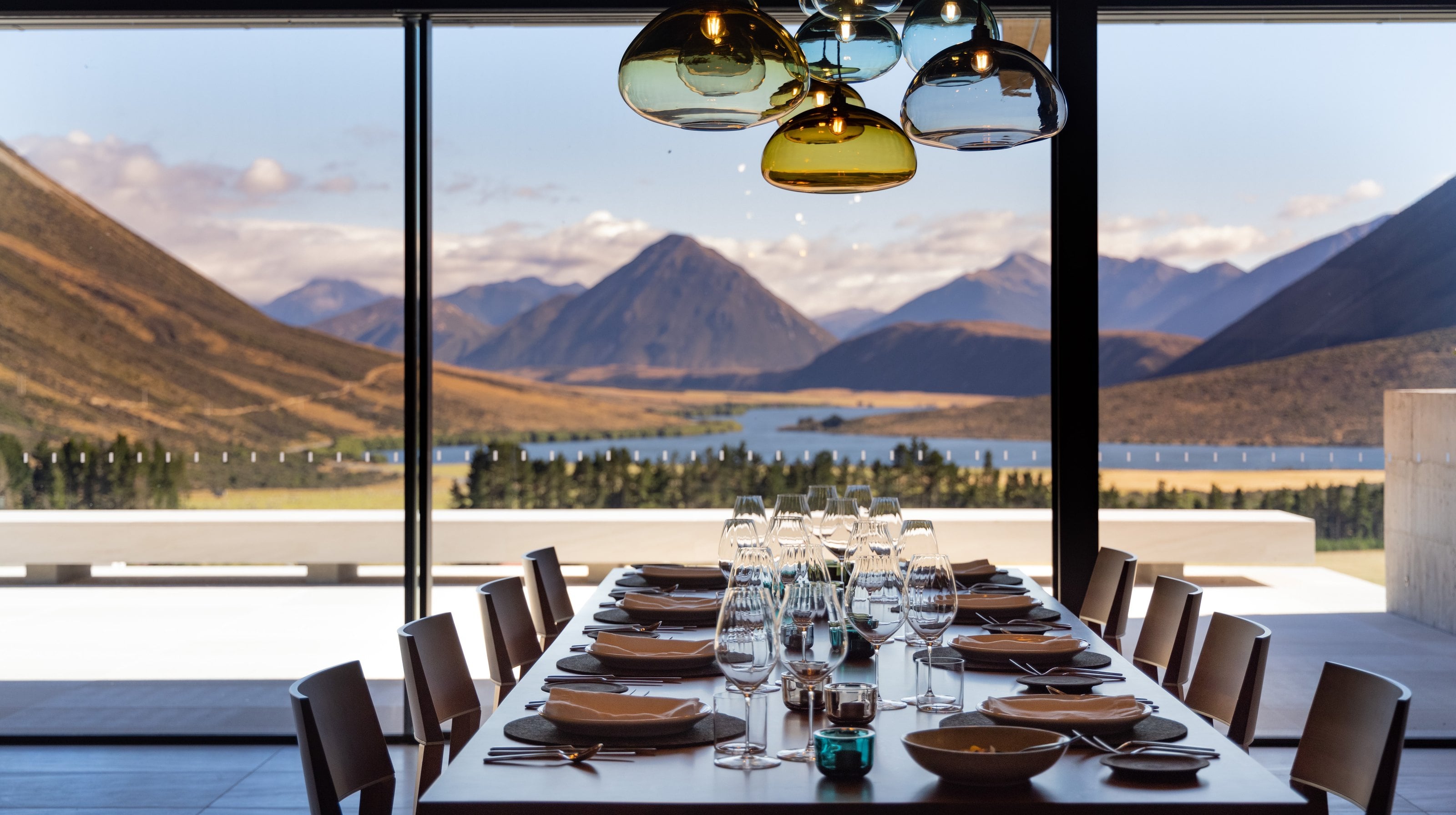
There's a conversation that happens at almost every table in New Zealand's best restaurants. The one where the sommelier opens a bottle of something — Ata Rangi pinot noir, maybe, or a Felton Road white — and a guest from New York or San Francisco takes a sip and goes quiet for a moment. And then says: "I had no idea."
That reaction is about to become more common.
In 2026, the MICHELIN Guide published its first New Zealand selections. It was a long time coming — but the timing feels right. The country's food scene, particularly in Auckland and Wellington, has matured quietly and without much international fanfare into something genuinely world-class. MICHELIN's arrival is recognition, not creation.
What MICHELIN found
The selections reflect what serious food travellers have known for years: that New Zealand's best restaurants are defined by provenance and precision. These are chefs who built their careers understanding their ingredients at a source level — where the lamb grazed, which estuary the oysters came from, what the season is doing to the stone fruit.
This is cooking that comes from a specific place. Which is exactly what MICHELIN tends to reward.
Auckland, Wellington, and Queenstown were the primary focus of the initial selections. But the guide's recognition extends beyond restaurants with stars — the Bib Gourmand selections, which recognise exceptional value, tell a different story about a food culture that runs deep into neighbourhoods and markets, not just high-end dining rooms.
What it means for a journey
The practical implication for travellers is that the dining experience in New Zealand can now be planned with the same seriousness as the lodges and landscapes. We've always incorporated exceptional meals into journeys — a winemaker's table in Gibbston Valley, a private chef dinner at a high-country station, lunch at a Hawke's Bay producer. But the MICHELIN selections give guests a framework for understanding what else is possible.
A well-designed food journey through New Zealand now looks something like this: arrive in Auckland and begin with two or three meals from the guide's selection — the city's diversity of influences (Pacific, Asian, European) makes it one of the more interesting food cities in the Southern Hemisphere. Move south through Hawke's Bay, where the Gimblett Gravels syrah and the region's lamb and olive oil are an argument for staying longer than you planned. Finish in Queenstown or Central Otago, where the pinot noir conversation we always end up having usually results in someone buying a case to ship home.
The wine piece
It's worth saying: the MICHELIN selection is as much about wine as food. The best dining rooms in New Zealand have wine lists that showcase producers most international visitors have never encountered — boutique Central Otago estates, small Marlborough producers working outside the sauvignon blanc mainstream, natural wine makers in the Wairarapa working with varieties that didn't exist in New Zealand a generation ago.
We're at the cellar door and winemaker dinner end of this, not the restaurant end. But the two inform each other. When you've spent the afternoon at a small Bannockburn estate tasting through a winemaker's library releases, the bottle that arrives at dinner that evening means something different.
Planning around it
If food and wine are central to your journey, tell us that early. It changes what we build. Some of the best experiences — a private dinner in a vineyard, a morning in a restaurant kitchen with a chef we know, a cheese and charcuterie afternoon at a farm that doesn't advertise — aren't on any list and require some notice to arrange.
The MICHELIN Guide is a useful map. But the territory is richer than any guide can fully represent.
Written by
The people who compose the journeys. By PPG Tours, New Zealand owned for more than twenty years. How we write
Journeys this piece touches
Add Curated Experiences as a preferred source on Google (opens in a new tab)
More reading
Food & Wine