Manaakitanga: the Māori art of hospitality
There is a word for what makes the finest New Zealand lodges and hosts exceptional — and it comes from a thousand-year-old tradition of caring for visitors as though they were family.
Māori Culture·Lodge Insider·6 min read·
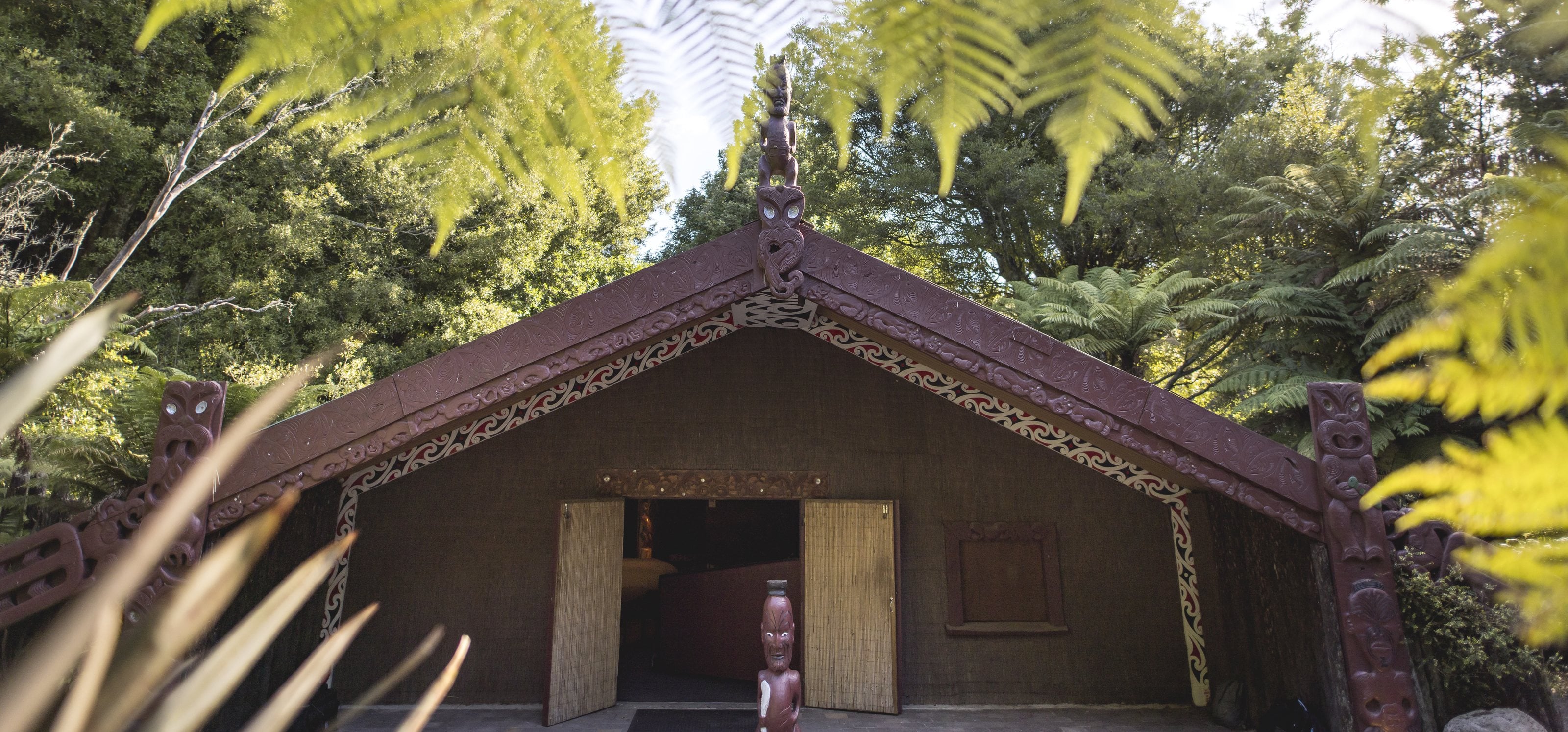
There is a concept that runs through every genuine New Zealand hospitality experience, whether or not anyone names it aloud. It is there in the way a lodge host remembers that you prefer your coffee black and your eggs at precisely four minutes. It is there in the guide who notices you've been quiet for twenty minutes and adjusts the pace of the walk without being asked. It is there when you arrive at a cellar door and the winemaker pulls a bottle from their private library because they heard you were coming, and they wanted you to taste something extraordinary.
The word is manaakitanga. It is one of the core values of Māori culture, and it fundamentally shapes what hospitality means in New Zealand.
What manaakitanga means
Translated loosely, manaakitanga means hospitality, generosity, and care for others. But the translation softens it. The word is built on the root mana — authority, prestige, spiritual power — because in the Māori worldview, the act of caring for a visitor enhances the standing of the host. To show exceptional generosity is to demonstrate exceptional mana. The guest and the host are bound together in a reciprocal relationship: the host is elevated by the quality of their care, and the guest is elevated by the quality of their welcome.
This is a fundamentally different framework from transactional hospitality. It is not about service in exchange for payment. It is about a relationship in which both parties are made better.
Manaakitanga is one of the two core values at Curated Experiences, alongside kaitiakitanga — guardianship of the land. The two are connected: the way you care for a visitor and the way you care for the land come from the same place. Both are forms of responsibility that carry obligation, dignity, and meaning.
How you experience it
Manaakitanga is not something that is explained to you. It is something that quietly shapes the quality of your days.
It is why the best lodge kitchens in New Zealand operate with an unusual degree of flexibility — because the chef understands that a guest who has spent eight hours on the Tongariro Crossing may not want a formal five-course dinner, but a plate of excellent food eaten in quiet comfort. That adjustment is manaakitanga: reading what the guest needs, not what the programme prescribes.
It is why every serious guide in the country knows to stop talking at certain moments. Standing at the top of Mackinnon Pass on the Milford Track, with the Clinton Valley opening beneath you and the Arthur Valley falling away on the other side, words are not required. Silence, in that context, is a form of care.
It is why a private pōwhiri — the formal Māori welcome ceremony — is so affecting for guests who experience it. The hongi, the sharing of breath between host and visitor, is not a performance. It is a direct human encounter rooted in the idea that the visitor is not a transaction but a person to be welcomed properly, fully, with dignity.
Where it shows up in your journey
You encounter manaakitanga in every part of a well-crafted New Zealand journey, often without realising what you are experiencing.
At Huka Lodge, it is there in the way the staff have anticipated your arrival — the fire lit in your room, the notes on your dietary preferences passed seamlessly from the person who took your booking to the kitchen team six weeks earlier, the quiet understanding that your first evening should be calm after the journey from Auckland.
In Central Otago, it is there at a small vineyard where the winemaker clears the afternoon because they heard from a mutual contact that you are serious about pinot noir. They pour library releases. They walk you through the block, show you the soil, tell you what the season did to the fruit. They are not selling. They are sharing.
At a marae in the Bay of Islands, it is there in the way an elder greets you — not as a tourist but as a manuhiri, a visitor with status because you have been formally welcomed onto the land. The welcome carries obligations on both sides, and that reciprocity is the point.
In Kaikōura, it is there in the marine biologist who has spent fifteen years with the local sperm whale population and who, on a private boat with just your group, speaks about the whales with a combination of scientific precision and genuine reverence. They are not performing expertise. They are sharing something they love with people who have come a long way to receive it.
These are not staged moments. They are the result of relationships built over time — between Curated Experiences and the people who make New Zealand extraordinary. That web of relationships is the practical expression of manaakitanga.
Why it matters to the way we work
Manaakitanga shapes what we include in journeys and, just as importantly, what we leave out. We do not work with operators who treat guests as throughput. We do not book experiences where the welcome is perfunctory and the departure is a handshake and an invoice.
We work with people who understand that hosting is an art and that the best hospitality is invisible — you feel it as ease, as flow, as the sense that everything has been considered without anyone drawing attention to the consideration.
This is why every journey we design is built from scratch. There is no template. There is no standard routing. Each journey is created for the specific people taking it, and the experiences we include are chosen because we know the people providing them — not because they are on a list.
For the traveller
Understanding manaakitanga before you arrive changes what you notice. It gives you a framework for understanding why certain moments feel different here — why the welcome at a twelve-room lodge on a remote lake feels more personal than the welcome at a five-star hotel in a global city, why the guide who has walked the Routeburn a hundred times still stops to point out a particular orchid, why the chef who could be working anywhere chose to work here, on this lake, with these ingredients, for guests who have come halfway around the world to be here.
That is manaakitanga. It is not a selling point. It is the reason the best New Zealand experiences stay with people for the rest of their lives.
Written by
The people who compose the journeys. By PPG Tours, New Zealand owned for more than twenty years. How we write
Journeys this piece touches
Add Curated Experiences as a preferred source on Google (opens in a new tab)
More reading
Māori Culture