Health and safety in New Zealand: one of the safest countries you can travel in
New Zealand ranks third safest of 163 countries, has no snakes and nothing in the bush that will trouble you, and covers the cost of treatment if you are injured here, whether you live here or not. What to know before you come, and how little of it there is.
Travel Intelligence·4 min read·
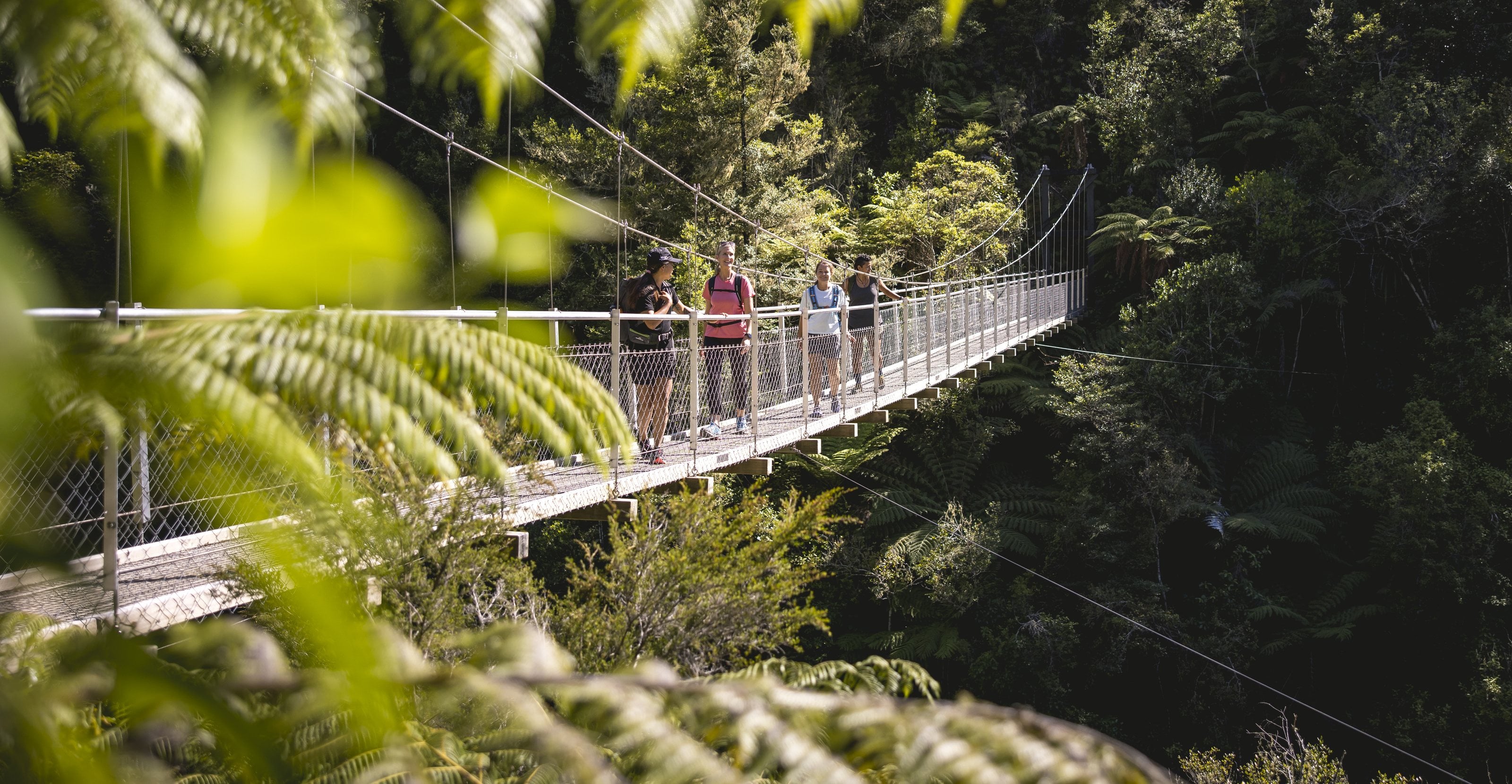
New Zealand ranks third out of 163 countries in the 2025 Global Peace Index, behind only Iceland and Ireland. There are no snakes, no scorpions and no dangerous wild mammals. And if you are injured here, the cost of your treatment is covered by the state, whether you live here or not. For most visitors, this is a country where the usual travelling anxieties simply do not apply.
If you are injured here, you are covered
New Zealand has a national no-fault accident scheme called ACC, the Accident Compensation Corporation. It covers everyone injured in an accident in New Zealand, including visitors, regardless of who was at fault. Turn an ankle on a walking track and the cost of your treatment and rehabilitation here is covered.
The scheme also removes the right to sue for personal injury. For travellers from countries where a serious accident means both a hospital bill and a legal process, that is an unfamiliar and rather welcome absence.
It does not replace travel insurance, and ACC says so plainly. The boundaries are worth knowing before you come.
ACC covers:
- Treatment for injuries that happen in New Zealand
- Rehabilitation while you are here
- Cover regardless of fault or activity
- Visitors treated exactly as residents are
Your travel insurance covers:
- Illness of any kind
- Changed plans, or travel home at short notice
- Anything that happens in transit to or from New Zealand
- Continuing treatment once you are home
One boundary catches people out: illness is not injury, so a hospital stay for something you caught rather than something that happened to you sits outside the scheme. If you arrive by cruise ship, anything that occurs aboard your own vessel is likewise a matter for your insurer.
Nothing here will bite you
New Zealand has no snakes. No scorpions, no venomous insects, no bears, no wild dogs, nothing in the bush that regards you as anything at all. The country spent eighty million years without land mammals, and it shows.
The single venomous native is the katipō spider, which is close to mythical. A full-grown female is about the size of a garden pea, the species is now rarer than the kiwi and legally protected, and there is no solid evidence of anyone dying from a bite in the past hundred years. Most New Zealanders have never seen one.
The creature that will actually shape your day is the sandfly, which is harmless, persistent and fond of the West Coast and Fiordland. Repellent settles it entirely. Pack some.
Four things worth knowing
The sun is stronger than the latitude suggests. Peak ultraviolet here runs around 40% higher than at comparable northern latitudes, partly because the air is exceptionally clean. Unprotected skin can burn in about twelve minutes at midsummer. From September to April, a hat, sunglasses and SPF 30 or higher between 10am and 4pm are simply part of the day.
Swim between the flags. Patrolled beaches are patrolled for a reason, and rip currents are harder to read than most people assume. Only 43% of New Zealanders say they can identify one, and of those, just 57% actually can. On an unpatrolled surf coast, the water is best enjoyed from the sand.
The mountains make their own weather. Temperature falls about 0.7°C for every 100 metres (330ft) of altitude, so a warm valley morning becomes a cool, exposed ridgeline by lunch. Layers solve it, and a guide solves it better.
Distances take longer than the map suggests. New Zealand roads are narrow, scenic and inclined to bend. A journey that looks like ninety minutes can take three hours, and the driving is on the left. This is the single most common misjudgement visitors make, and the easiest to design around.
Before you come
Take out travel insurance covering the things ACC does not: illness, changed plans and travel home. Bring prescription medication in its original containers with a copy of the prescription or a letter from your doctor, declare it on arrival, and note that up to three months' supply is permitted. Everyone arriving by air completes a New Zealand Traveller Declaration before landing.
Beyond that, very little. No vaccinations are required. There is no malaria and no tropical disease risk. Tap water from public supplies is safe to drink, and generally very good.
The short version
New Zealand asks for competence rather than caution. Wear sunscreen, respect the sea, carry a layer into the mountains, and allow more driving time than the map suggests. Do those four things and the country will look after the rest, which is more than most places will offer you.
For the seasonal detail behind the sun and the alpine conditions, see New Zealand weather by season. For the regions where the landscape is at its most demanding and most rewarding, Fiordland and Aoraki / Mount Cook are the two to read before you travel, and The Expedition is built around country of that kind.
Accident cover details from ACC. Safety ranking from the 2025 Global Peace Index, Institute for Economics and Peace. Rip current survey data from Water Safety New Zealand. Ultraviolet and altitude figures from NIWA. Katipō information from Te Ara, the Encyclopedia of New Zealand.
Written by
The people who compose the journeys. By PPG Tours, New Zealand owned for more than twenty years. How we write
Journeys this piece touches
The ExpeditionThe Hidden TrailThe Southern HeartThe MasterpieceThe DiscoveryThe Epicurean
More reading
Travel Intelligence
Driving in New Zealand: what makes it one of the world's great drives
Travel Intelligence, 4 min read
New Zealand weather by season: what it actually feels like, region by region
Travel Intelligence, 6 min read