Michelin Keys: what they mean for New Zealand's lodges
Michelin's Key distinction for hotels and lodges is changing how travellers judge New Zealand's lodges. How the system works, and why it matters.
Lodge Insider·3 min read··Updated
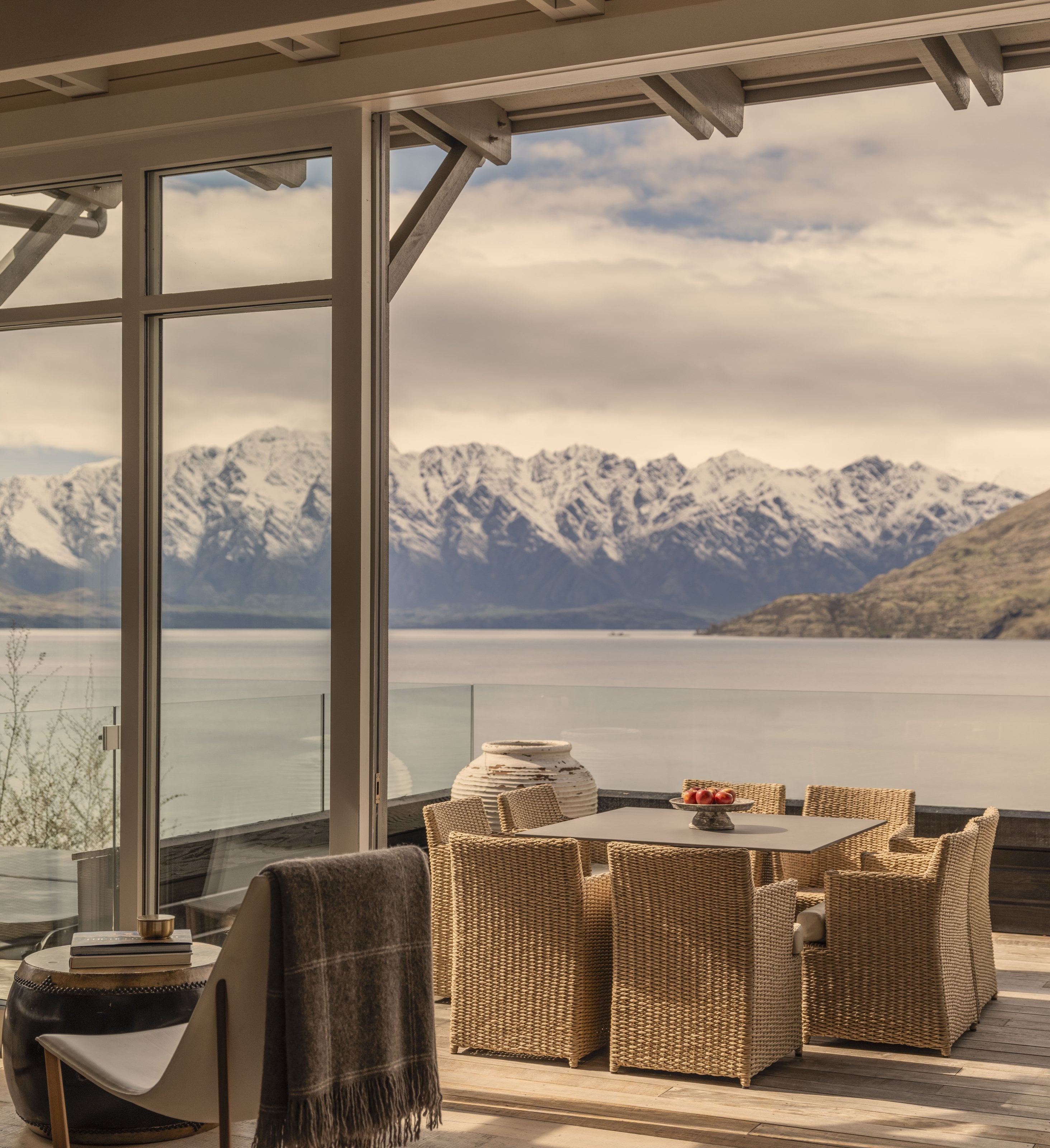
While the Michelin Guide might be famous for awarding Stars to restaurants, as important, it awards Keys to hotels and luxury lodges.
Michelin did not previously evaluate New Zealand's restaurant scene with its standard star system, however, in a global expansion, Michelin officially introduced its Michelin Key distinctions to the hotel and lodging industry.
This system, which rolled out globally, recognises the world's most exceptional hospitality properties. New Zealand, known for its remote boutique lodges, now has 28 Key properties.
What follows is what the distinction measures, and what it changes for a traveller deciding where to stay.
Unlocking Excellence: How the Michelin Key is Redefining New Zealand's Luxury Lodges
For over a century, the word "Michelin" has been synonymous with culinary perfection with a single Michelin Star transforming an obscure local bistro into a global destination overnight.
In 2024 Michelin went beyond the kitchen with the Michelin Key, a distinction for hotels and lodges. New Zealand's first Keys followed in 2025.
For New Zealand, a country known for its landscapes and its remote ecolodges, the Key shifted the spotlight from what is on the plate to the whole of a stay.
Stars and Keys: the difference
- Michelin Stars (Restaurants): Awarded strictly to restaurants based on culinary execution, ingredient quality, technique, and consistency.
- Michelin Keys (Accommodations): Awarded to hotels and lodges that deliver exceptional design, architecture, service, individuality, and a deeply rooted sense of place.
Much like the 1, 2, and 3-star culinary system, the Michelin Key features a tiered ranking system:
- One Key: A very special stay.
- Two Keys: An exceptional stay.
- Three Keys: One of the world's most remarkable stays, a destination for the trip of a lifetime. There are none in New Zealand yet.
Twenty-eight New Zealand properties hold Keys in the 2026 selection, ten of them at two Keys and eighteen at one. The full list, property by property, is in our companion piece: which New Zealand lodges and hotels have earned Michelin Keys.
Michelin inspectors evaluated the entire stay at a Lodge, from the architectural harmony with the surrounding landscape to the attention of the lodge's staff.
The Anatomy of New Zealand's Lodge Experience
New Zealand's lodge sector is well placed under this system. Kiwi luxury is defined by "remote exclusivity." Think of lodges on the Marlborough Sounds, beside the Waikato River below Lake Taupō, or among the vineyards of Hawke's Bay.
Michelin judges every Key hotel on the same five points: architecture and interior design, the quality and consistency of service, individuality, value for the price, and how well the stay opens the door to the place around it. In New Zealand that last point does a great deal of the work.
These lodges also pair the highest level of lodging with serious cooking. A Key-rated lodge frequently offers farm to plate dining, featuring wild game, distinctly local seafood, and premium wines and beverages that rival any traditional three-star dining room in Paris.
The Power of the "Key"
For high-net-worth travellers, navigating the luxury travel market without clear guidance and focus can occasionally result in choices that look spectacular online but fail to deliver in person. The Michelin Key works as a filter, and it changes guest interest in several ways:
- The Trusted Verification: Because Michelin's inspection process is anonymous and independent, a Key provides a standard of validation. International visitors can book a remote lodge on the other side of the world with total confidence, or work with a trusted specialist like Curated Experiences to shape the rest of the trip around it.
- Targeting the "Experiential Traveller": Modern luxury travellers demand immersive, authentic experiences. A Michelin Key signals that a property isn't just a place to sleep, but a destination in its own right with many dimensions.
Elevating the Guest Experience
When a luxury lodge receives a Michelin Key, the benefits are felt directly by the guest. The selection is not fixed: New Zealand's list grew from 19 properties in 2025 to 28 in 2026, and two lodges moved up to Two Keys.
Guests can expect a stay shaped long before they arrive, whether that means arranging a private helicopter charter over a glacier, a private fly-fishing guide on an exclusive river, or a wellness programme built around them. Additionally, the honour fosters a deep pride of place with the staff.
The best of these lodges bring Māori culture, local stories and conservation work into the stay, which is what Michelin means when it asks a hotel to be an open door to its destination.
The Dawn of a New Era in Kiwi Hospitality
The rollout of the Michelin Key has permanently shifted the landscape of international luxury travel. For New Zealand, it provides a well-deserved global stage. By recognising the country's boutique lodges, Michelin has reminded the world that luxury at this level is not about gold-leaf lobbies. It is about where a place is, and how well it is run.
Written by
The people who compose the journeys. By PPG Tours, named New Zealand’s Leading Destination Management Company at the World Travel Awards, 2025 and 2026. How we write
Journeys this piece touches
Add Curated Experiences as a preferred source on Google (opens in a new tab)
More reading
Lodge Insider