
Coming to New Zealand takes a few steps, and most of them can be done from your phone before you travel. What matters is knowing which to do early, and what to declare when you land.
This guide covers entry, arrival, flights, getting around, the seasons and the everyday things a first visit raises. The entry rules were read from their official pages on 24 November 2026. Rules and fees change, so please confirm each one there before you travel. This is a planning guide, not immigration or legal advice.
What you need before you fly
What you need depends on your passport, and Immigration New Zealand sets the rules. Passports from the United States, Canada, the United Kingdom, Singapore, Japan and Germany are among the many on its visa waiver list. Holders need no visa for a visit. They do need a New Zealand Electronic Travel Authority, the NZeTA, before they check in for their flight.
- Request it early. Allow 72 hours. Use the official NZeTA website or app. The app can request one for up to 10 people at a time.
- One for each traveller. Every member of a family or group needs their own.
- It lasts two years. Each visit can run up to three months, or six months on a United Kingdom passport.
- The visitor levy is paid with it. Visitors pay the International Visitor Conservation and Tourism Levy each time they request an NZeTA, NZD 100 as at 24 November 2026. It goes towards the facilities and the natural places visitors use and enjoy.
- Your passport needs room to spare. It must be valid for at least three months after the day you plan to leave New Zealand. It must also be the passport you used to request the NZeTA.
- Your way home, already booked. At check-in you may be asked for a paid ticket out of New Zealand.
Travellers on an Australian passport need no visa, NZeTA or levy. Australian permanent residents need an NZeTA. For any other passport, Immigration New Zealand's online tool shows what applies.
Full medical insurance for your stay is recommended. We suggest arranging it when you book your flights.
The declaration, and what to declare
Everyone arriving in New Zealand completes a New Zealand Traveller Declaration. That includes children and babies, each with their own. It is free, and it covers customs, immigration and biosecurity in one form.
- When. From 24 hours before your journey to New Zealand begins, and no later than passport control on arrival.
- Where. On travellerdeclaration.govt.nz or the official app. The departure lounge is a good place to do it.
New Zealand guards its plants, animals and farms closely, and the declaration is part of how it does so. Declare the items below so that officers can check them. If you are unsure, declare it, or leave it in the marked bins at the airport.
- Any food. Cooked, fresh, dried or packaged.
- Animal products. Meat, dairy, honey, eggs, feathers and shells among them.
- Plant products. Fruit, seeds, nuts, flowers, wood and bark.
- Equipment used outdoors. Footwear, hiking and camping gear, fishing gear and golf clubs.
Declare medicine beyond three months' supply, or medicine not prescribed to you. Declare goods bought overseas worth more than NZD 700 in total, and cash of NZD 10,000 or more. Alcohol beyond three bottles of spirits and 4.5 litres (about 1.2 US gallons) of wine or beer is declared too.
At passport control, holders of ePassports from Australia, Canada, the United Kingdom and the United States can use the eGates from the age of 10.
What to pack
Most of arrival is settled at home, when you pack.
- Food. Pack as little as you can, and declare what you carry.
- Anything used outdoors. Walking boots, golf shoes and clubs, fishing gear. Pack them where they are easy to reach, and declare them.
- A plug adaptor. New Zealand uses Type I plugs, the same as Australia: three flat pins, two of them angled. The supply is 230/240 volts, higher than in the United States, Canada or Japan.
- A look at your chargers. If a charger says it is safe up to 240 volts, the adaptor is all it needs. If not, it needs a voltage converter as well. Most hotels have a 110-volt socket in the bathroom, for electric razors only.
- Layers. The weather can change quickly, so clothes for more than one season earn their place.
- Your driver's licence, if you might drive.
Getting here
How long the flight takes depends on where you start. Most international flights land in Auckland or Christchurch.
- From North America. Non-stop flights reach Auckland from Los Angeles, San Francisco and Houston, among other cities. The average flight from the United States is about 13 hours. From Canada, direct flights leave Vancouver.
- From Australia. Direct flights leave Sydney, Melbourne, Brisbane, Perth, Adelaide, the Gold Coast and the Sunshine Coast.
- From Asia. Singapore has direct flights from Changi Airport.
- From the United Kingdom. The average flight is about 24 hours.

From the Americas you cross the International Date Line on the way. You lose a day flying out and win it back on the way home.
We plan the first night around the flight. A long-haul arrival is best met by a driver, a short transfer and an unhurried afternoon.
Getting around
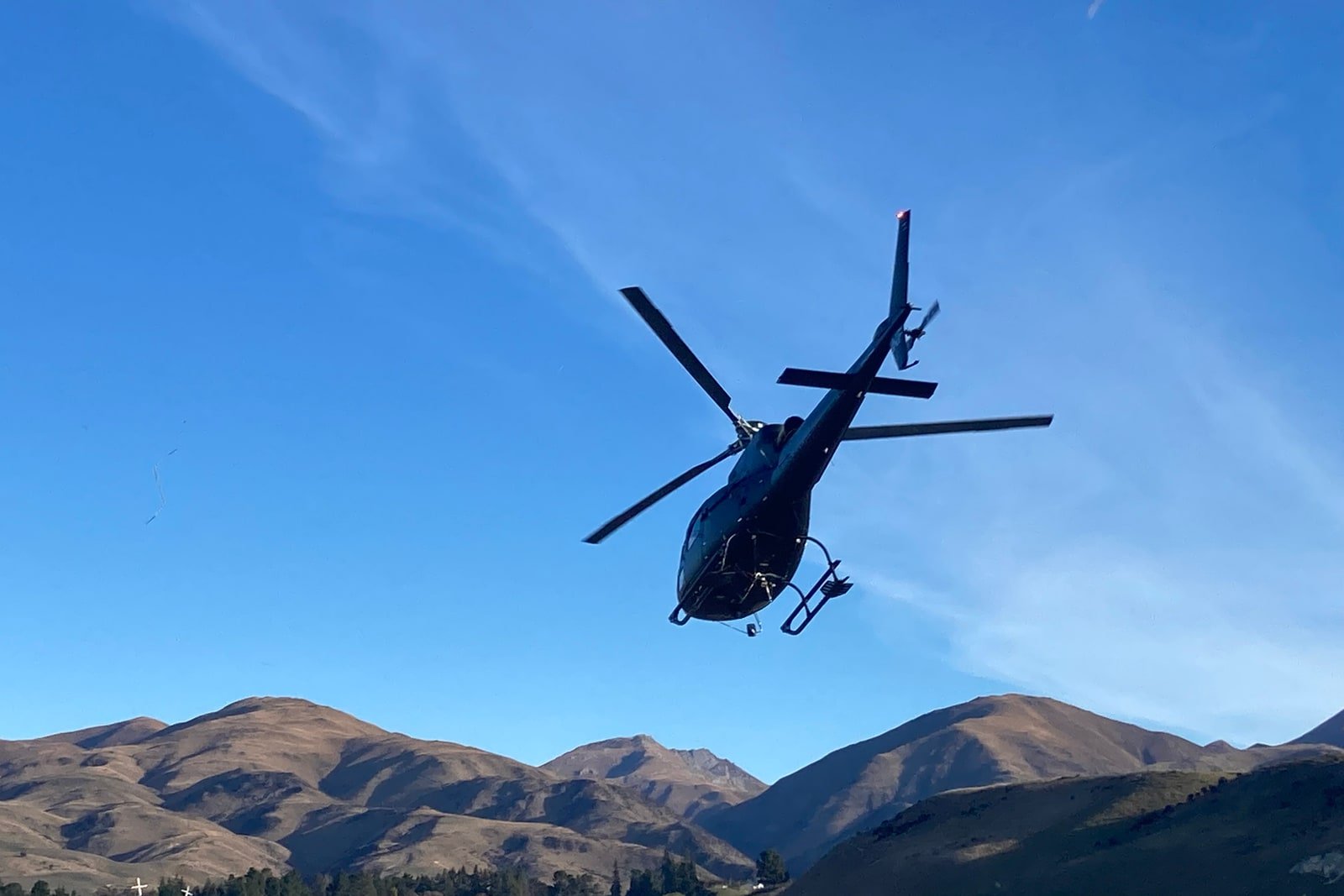
The country is long and narrow, and no single way of crossing it suits every leg. Where the distance is the only thing between two places, we put you on a domestic flight and have a driver waiting at the other end. Where the country between them is worth seeing, you travel by road with a guide at the wheel. A helicopter is for the days that ask for one.
If you would like to drive yourself for part of the journey, these are the NZ Transport Agency's rules as at 24 November 2026.
- Your licence, if current and valid. Visitors who arrive on or after 1 November 2026 can drive on a current overseas car licence for 12 months.
- In English, or with a translation. A licence in another language needs an accurate English translation or an international driving permit, carried with the licence itself.
- Keep left. New Zealand drives on the left. If you drive on the right at home, take the first stretch gently while it settles in.
- Kilometres, not miles. Speed limits are in kilometres per hour. A 100 km/h sign means about 62 mph.
The seasons, on one page
If you live in the Northern Hemisphere, the seasons here are the other way round, and Christmas falls in summer. The temperatures below are average daytime highs.
- Summer, December to February. 18 to 24°C (64 to 75°F). The long days, with daylight until about 9.30pm.
- Autumn, March to May. 15 to 21°C (59 to 70°F). Warm days early in the season, cooler evenings, and the colour turning in the countryside.
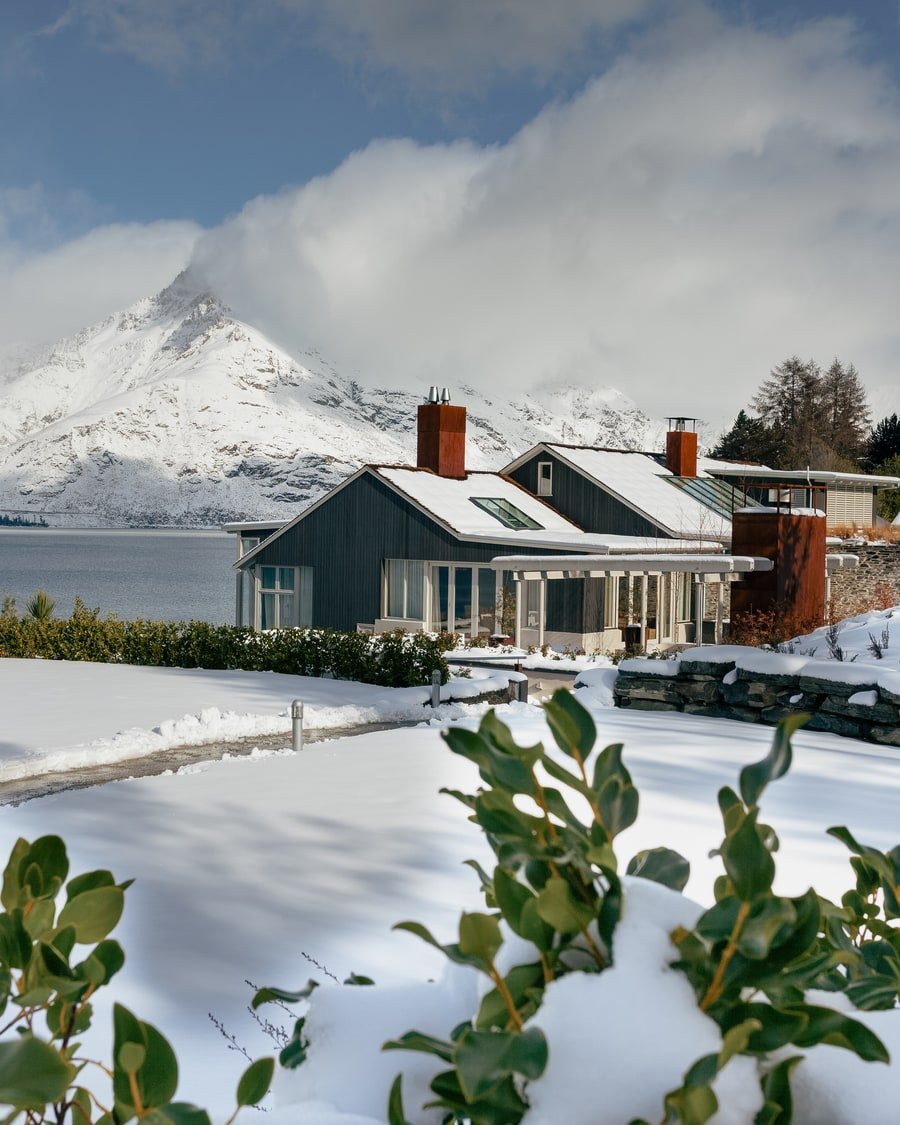
- Winter, June to August. 8 to 16°C (46 to 61°F). Snow on the high country, and the fireside at its best.
- Spring, September to November. 14 to 19°C (57 to 66°F). Mild days, and longer evenings once the clocks go forward.
Conditions vary by region and can change quickly. We plan with that in mind.
Money, phones and the clock
- Currency. The New Zealand dollar, written NZD. Visa and Mastercard are the most widely used cards, and many shops in the main centres take Apple Pay.
- Cash machines (ATMs). Cards from overseas work as long as they have a four-digit PIN.
- Tax. The 15% goods and services tax is already in the price on the shelf or the menu. Nothing is added at the checkout.
- Tipping. Not obligatory, even in restaurants and bars. A tip for good service is at your discretion.
- Phones. Visitor SIM cards are sold in the arrivals area at Auckland and Christchurch airports. A local SIM or a travel eSIM can cost less than roaming on your plan from home.
- The clock. New Zealand runs 12 hours ahead of UTC. In daylight saving it is 13 hours ahead, from the last Sunday in September to the first Sunday in April. In the northern winter, 9am on a Tuesday in Auckland is 3pm on Monday in New York and 8pm on Monday in London. For most of April to September, the gap is two hours smaller.

Where we come in
Knowing all this makes a first visit easier. What shapes it most is choosing the places worth your time, in the right order, at the right pace.
That is the part we do. Our team are New Zealanders who have spent their working lives in this country, in its lodges, on its roads and with its guides and hosts. Before we suggest a single place, we ask how you would want the journey to feel. From your first airport transfer to your final farewell, our team in New Zealand is close at hand.
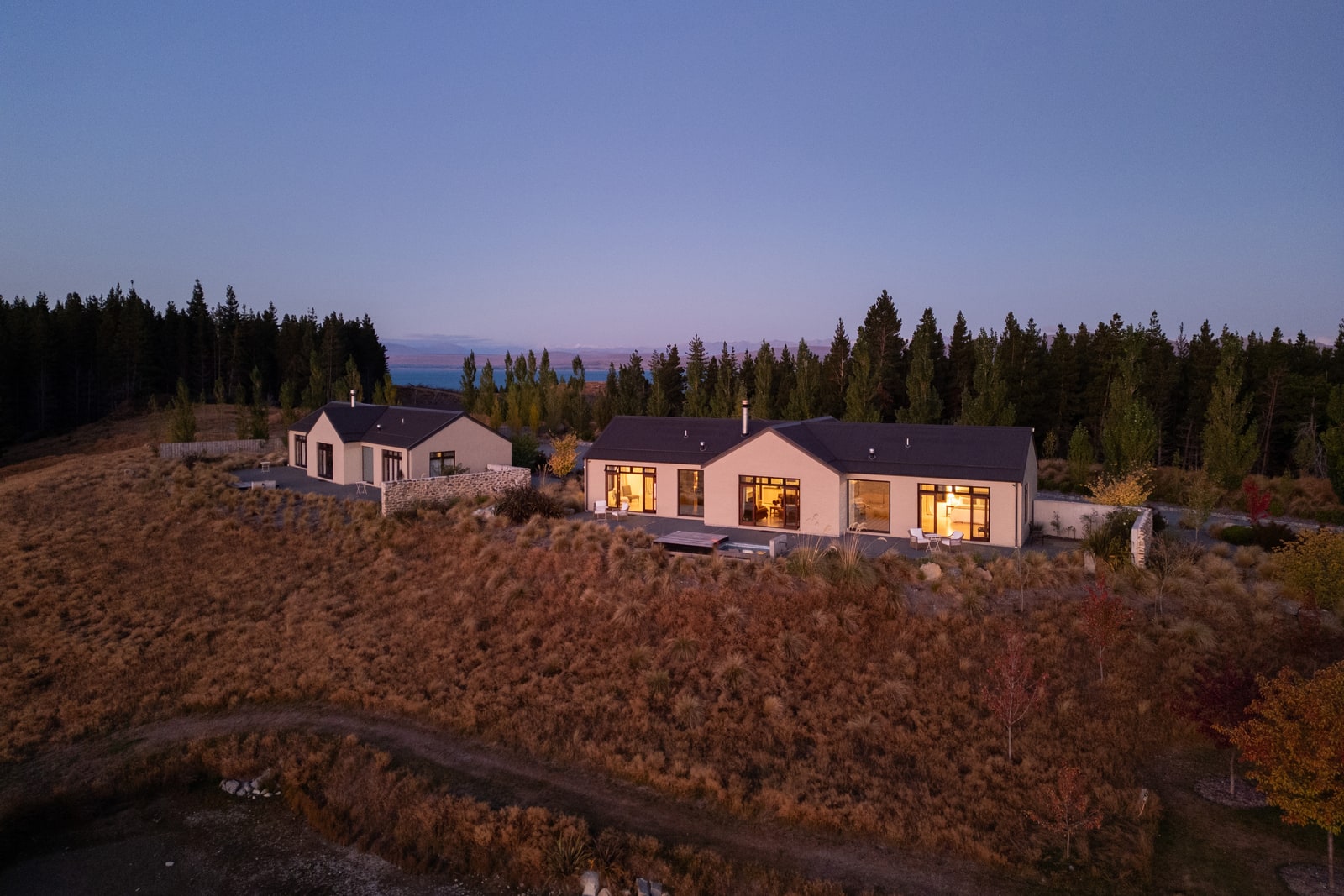
Our six signature journeys set out the places and the pace, night by night.
To begin, call or email us.